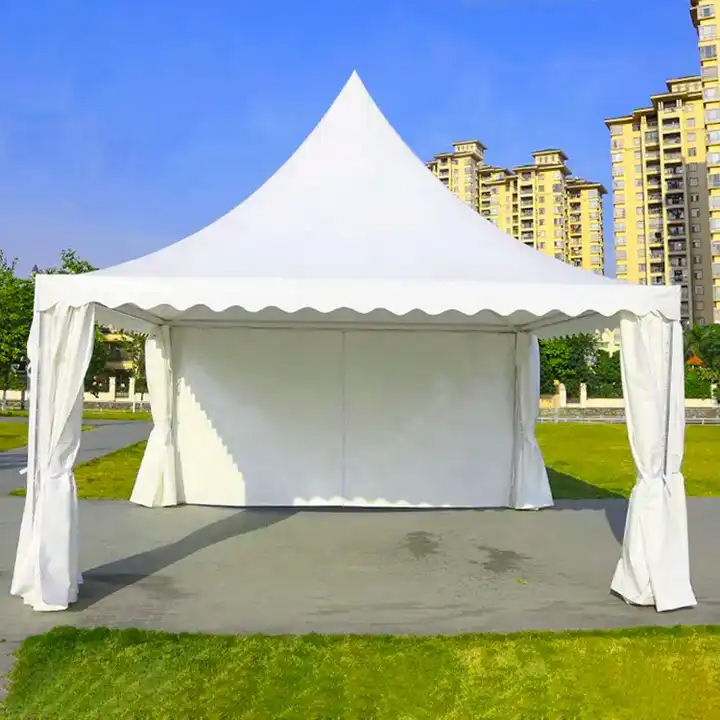
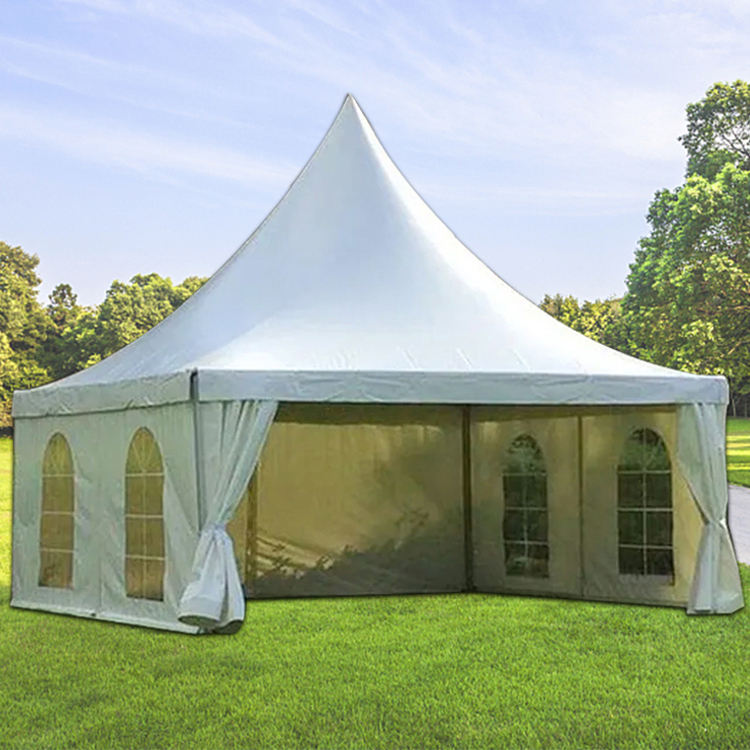
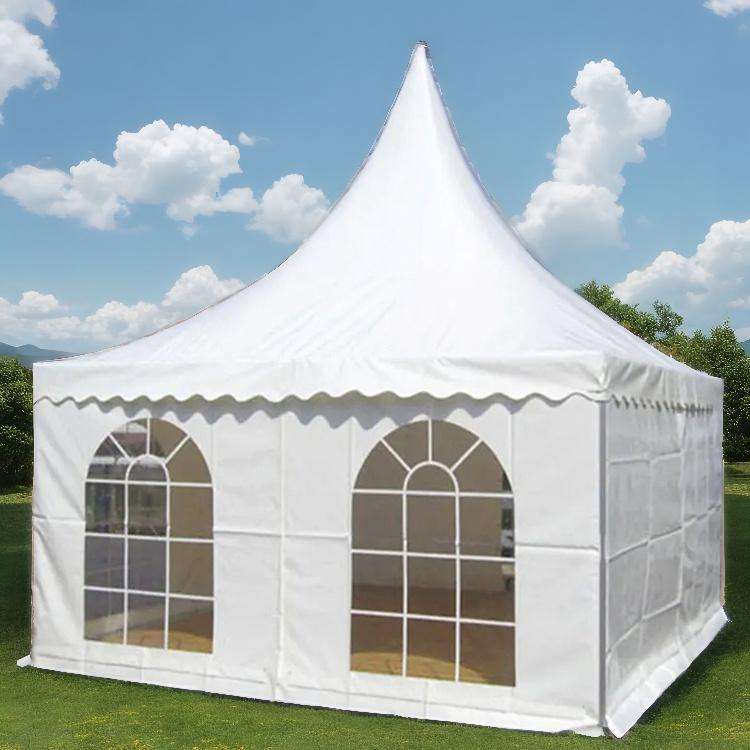
When choosing the best outdoor tent, several crucial factors need to be taken into account to ensure it meets your specific needs and enhances your camping experience. Here’s a comprehensive guide to help you make an informed decision.
1. Determine Your Usage Scenario
Casual Camping: If you’re mainly camping in parks, beaches, or well-developed campsites with mild weather, a tent focused on convenience and comfort is ideal. Tents like the Mobi Garden Shijia 4 or NACOLE Ridge 6 Flagship Edition are great choices. They are easy to set up and offer features such as good ventilation and decent space for relaxation.
Backpacking and Hiking: For backpackers and hikers, weight and portability are top priorities. Lightweight models like the Cold Mountain UL2 or Longsinger Stalker Single Tent are designed to reduce the burden on your back. However, be aware that they might have smaller spaces and some trade - offs in terms of features like ventilation or storage space.
Family Camping: Family tents need to accommodate multiple people and often require more space for sleeping, living, and storing gear. Tents like the Explorer Early Spring Inflatable Tent or the VIDALIDO Ridge Tent are suitable, offering large interiors, modular designs, and sometimes additional features like built - in dividers for privacy.
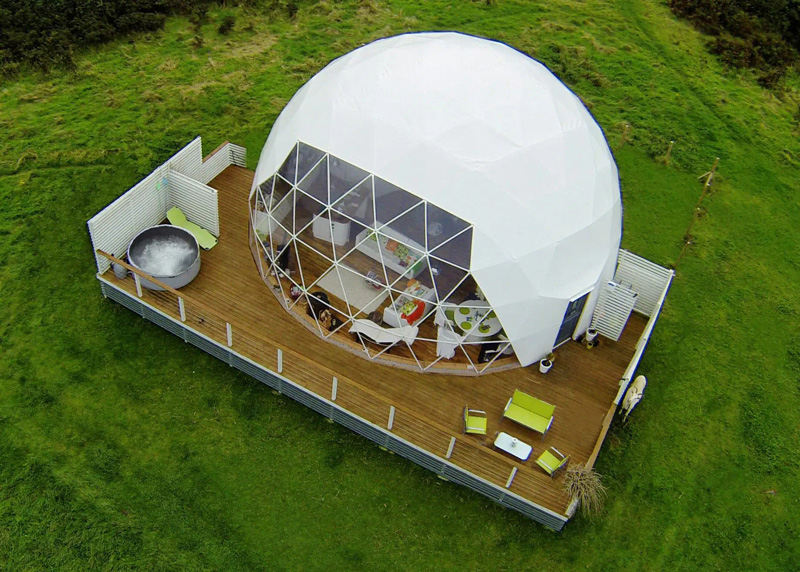
2. Consider Capacity and Space
Number of Occupants: Tents are typically labeled with a recommended occupancy, but it’s advisable to choose a tent with a capacity one person larger than your actual group size. This allows for more comfortable sleeping arrangements and space for storing gear inside the tent.
Interior Height: If you want to be able to stand up inside the tent or move around easily, look for tents with a higher interior height. Tents with a central height of at least 1.8 meters, like the VIDALIDO Ridge Tent, provide a more spacious and comfortable environment.
3. Evaluate Material Quality
Pole Material:
Aluminum: Aluminum poles are lightweight, strong, and resistant to bending and corrosion. Tents like the Mobi Garden Shijia 4, which use 7001 aluminum poles, offer excellent stability and durability, making them suitable for various weather conditions.
Fiberglass: Fiberglass poles are more affordable but tend to be less durable. They can crack or break over time, especially in extreme weather or with rough handling. The Longsinger Stalker Single Tent, which uses fiberglass short poles, may require more careful use and replacement of poles in the long run.
Fabric Material:
Nylon: Nylon is a popular choice for tent fabrics due to its softness and good waterproofing properties. However, it is less abrasion - resistant compared to other materials.
Polyester: Polyester is more durable and resistant to tearing and UV damage, making it a better option for harsh environments.
Cotton/Blend: Cotton tents have a classic look but are heavy and prone to mildew in wet conditions. Cotton - polyester blends can reduce these issues and are suitable for dry - climate camping.
4. Check for Weather Resistance
Waterproof Rating: The waterproof rating of a tent is measured in millimeters (mmH₂O). For general family camping in normal weather, a tent with a waterproof rating of 1500 - 3000mmH₂O is sufficient. For more extreme weather or professional outdoor use, choose a tent with a rating of 5000mmH₂O or higher. Additionally, ensure that the seams of the tent are sealed to prevent water leakage.
Wind Resistance: Look for tents with sturdy pole structures and guy lines. Tents designed for windy conditions often have a lower profile and more robust frames. For example, the Cold Mountain UL2 is designed to withstand strong winds, making it suitable for mountainous or windy areas.
5. Assess Setup Ease
Instant Tents: Instant tents, such as the NACOLE Ridge 6 Flagship Edition with its quick - open design, can be set up in minutes, making them perfect for beginners or those who want a hassle - free setup experience.
Traditional Tents: Traditional tents may require more time and effort to assemble, especially in adverse weather conditions. However, they often offer more stability and customization options.
6. Budget and Brand Reputation
Set a Budget: Tents come in a wide price range. While it’s possible to find decent tents for as low as $50 - $100, higher - quality, feature - rich tents can cost several hundred dollars. Generally, a budget of $50 - $100 can get you a basic but functional tent, while $100 - $200 will offer more features and better quality. Allocating a budget of $200 or more will open up options for high - end, professional - grade tents.
Choose Reputable Brands: Brands like Mobi Garden, NACOLE, and VIDALIDO have established a good reputation for quality and customer service. Reputable brands are more likely to offer reliable products, good warranties, and helpful after - sales support.
By carefully considering these factors, you can select the best outdoor tent that will provide a comfortable, safe, and enjoyable camping experience for you and your companions.